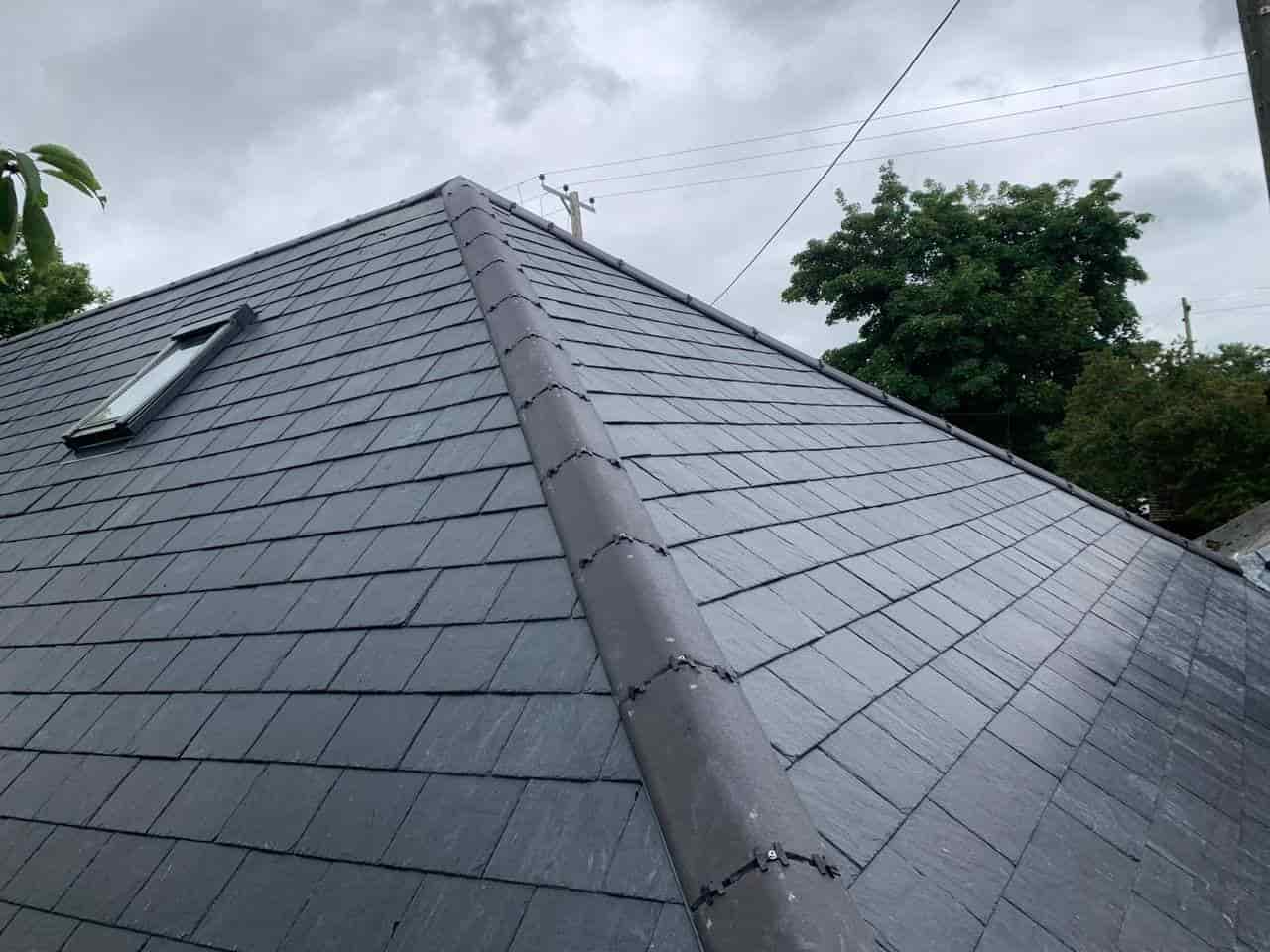
A pitched roof is designed to provide long-term strength, weather protection, and structural support. However, like any part of a property, it can gradually lose stability due to age, weather exposure, and hidden structural stresses. The difficulty for many homeowners is recognising the early warning signs before visible damage or internal issues develop.
For homeowners in Gravesend, Kent, understanding how and why pitched roofs lose stability can help prevent more serious problems and protect the integrity of the property.
Roof Movement Is Often Gradual
Loss of stability in a pitched roof rarely happens suddenly. It usually develops over time as materials respond to repeated exposure to wind, rain, frost, and temperature changes. Timber components can shift slightly, fixings may loosen, and roof coverings can begin to lose their secure positioning.
Because these changes are incremental, they are often overlooked until noticeable symptoms appear.
Visual Indicators That Suggest Structural Changes
Some of the earliest signs of instability can be spotted externally. These include roof lines that no longer appear straight, tiles that sit unevenly, or areas where the roof surface looks to dip or sag slightly. Ridge lines may also begin to look irregular, indicating movement beneath the surface.
From ground level, these changes can be subtle, which is why periodic closer inspection is important.
Tile Displacement and Fixing Fatigue
Loose or slipping tiles are not just a surface issue. Over time, movement can occur when fixings weaken, battens deteriorate, or underlying supports shift. As tiles move, they place additional stress on neighbouring sections, increasing the risk of wider instability.
Repeated tile movement in the same area is often a sign that the roof structure beneath is no longer holding components securely.
Internal Clues Homeowners Should Not Ignore
Inside the property, signs of roof instability can include fine cracks appearing near ceiling edges, doors or windows becoming slightly misaligned, or unusual creaking noises during high winds. While these symptoms may seem minor, they can point to subtle structural movement within the roof space.
Changes in insulation performance or unexplained drafts can also be linked to roof movement over time.
The Role of Age and Previous Work
Older roofs are more likely to experience stability issues due to material fatigue. Additionally, past repairs that were not fully integrated into the existing structure can create weak points. Over time, these areas may respond differently to weather and loading, leading to uneven stress distribution.
Professional assessment helps determine whether previous work is still supporting the roof as intended.
Why Professional Assessment Is Essential
Determining whether a pitched roof is losing stability requires more than a visual check from the ground. Roofing specialists can assess structural alignment, inspect fixings and battens, and evaluate how well the roof is performing as a complete system.
For homeowners in Gravesend, Gravesend Roofing Services offers professional roof inspections and expert guidance to identify early signs of instability and recommend appropriate next steps.
Conclusion
A pitched roof can lose stability gradually through material fatigue, weather exposure, and subtle structural movement. Early warning signs such as uneven roof lines, recurring tile movement, or internal changes should not be ignored.
For properties in Gravesend, seeking professional assessment at the first sign of concern helps protect the roof structure, maintain safety, and prevent minor issues from developing into major structural problems.
Call us on: 01474 554 897
Click here to find out more about Gravesend Roofing Services
Click here to complete our contact form and see how we can help with your roofing needs.