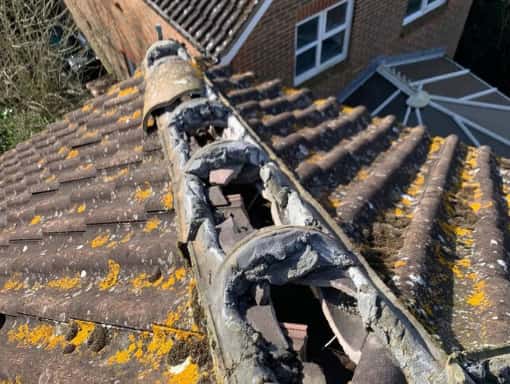
Dormer windows can add natural light, extra space and character to a property, but the roof junctions surrounding them require careful weatherproofing. Where a dormer meets the main roof, several surfaces and angles come together, creating potential points for water to enter if the detailing is not properly maintained.
Lead flashing plays an important role in protecting these vulnerable junctions. It creates a waterproof connection between the dormer structure and the surrounding roof covering, helping rainwater drain away safely. For homeowners in Gravesend, Kent, understanding how lead flashing works and recognising signs of deterioration can help prevent leaks and more extensive roof damage.
Why Lead Flashing Is Important Around Dormers
The junction between a dormer and the main roof is particularly exposed to rainfall. Water running down the roof can collect around changes in angle, side cheeks and the areas where the dormer meets the roof covering.
Lead flashing is shaped and fitted to form a protective barrier at these connections. Its flexibility allows it to accommodate different roof profiles, while its durability makes it suitable for long-term weather protection when correctly installed and maintained.
Without effective flashing, water can penetrate beneath tiles or other roof coverings. Moisture may then reach the roof timbers, insulation and internal finishes, potentially causing damp patches, timber deterioration and damage to ceilings.
Common Types of Lead Flashing Used Around Dormers
Different sections of a dormer may require specific flashing details to maintain a continuous waterproof connection.
Apron Flashing
Apron flashing is generally fitted where the lower section of a dormer meets the main roof. It directs water away from the junction and onto the roof covering below.
If this flashing becomes loose, cracked or poorly sealed, rainwater can find its way beneath the dormer structure. Its position makes it particularly important to inspect for signs of lifting or movement.
Step Flashing
Step flashing is commonly used along the sloping sides of a dormer where it meets the main roof. Individual sections are fitted in sequence, working alongside the roof tiles to direct water downwards.
Each section needs to overlap correctly with the adjoining roof covering. Damaged, displaced or incorrectly fitted step flashing can interrupt this drainage path and create opportunities for water ingress.
Cover Flashing
Cover flashing protects the upper edge of leadwork where it meets masonry or another vertical surface. Around dormers, it helps maintain a secure connection between the flashing and the structure.
If the fixing or surrounding joint deteriorates, water may enter behind the flashing. This can lead to dampness around the dormer walls or nearby internal surfaces.
Warning Signs of Damaged Dormer Flashing
Lead flashing can deteriorate or become displaced through weather exposure, building movement and poor previous repairs. Some problems are visible from the ground, while others require a closer professional inspection.
Common warning signs include:
- Lifting or loose leadwork: Sections that have moved away from the roof surface may no longer provide an effective seal.
- Splits and cracks: Lead can develop fatigue splits, particularly where it has been exposed to repeated movement or incorrectly formed.
- Failed joints: Gaps around flashing edges or adjoining materials can allow rainwater to penetrate.
- Damp patches indoors: Water stains on ceilings or walls near a dormer may indicate a problem with the surrounding roof junction.
- Displaced roof tiles: Tiles near the flashing may have shifted, leaving gaps that compromise the overall weatherproofing.
These symptoms should be investigated promptly. The visible damage may not be directly above the point where water enters, as moisture can travel along roof components before appearing inside the property.
How Proper Installation Helps Prevent Water Ingress
Effective lead flashing depends on correct design, preparation and fitting. The lead must be shaped to suit the dormer’s roof junctions without creating unnecessary stress points. Appropriate overlaps and secure fixings are also essential to ensure water is directed away from vulnerable areas.
Lead should be installed with sufficient allowance for natural thermal movement. If it is restricted or fixed incorrectly, repeated expansion and contraction can contribute to fatigue and splitting.
The surrounding roof coverings must also be properly integrated with the flashing. Simply applying sealant over a damaged or poorly fitted section may not address the underlying issue. A lasting repair should identify the cause of the problem and restore the correct weatherproofing detail.
Maintaining Lead Flashing on Dormer Roofs
Regular roof inspections can help identify early signs of deterioration before water enters the property. It is particularly useful to check dormer junctions after periods of severe weather or when internal damp patches appear.
Inspections should consider the condition of the leadwork, the surrounding tiles, mortar joints and roof drainage. Any signs of movement, cracking or failed connections should be assessed by a roofing professional.
Avoid attempting to lift or reshape lead flashing without the appropriate experience. Incorrect handling can cause further damage or leave the junction less protected than before.
Professional Lead Flashing Repairs in Gravesend
Dormer roof junctions require careful attention because even a small defect can compromise the surrounding roof’s weather resistance. Professional repairs help ensure that damaged flashing is properly assessed and that the connection between the dormer and main roof is restored.
Gravesend Roofing Services provides roofing repair services in Gravesend, Kent, including attention to vulnerable roof junctions and lead flashing defects. If you have noticed loose leadwork, signs of water ingress or deterioration around a dormer, arranging an inspection can help establish the cause and appropriate repair.
Conclusion
Lead flashing is essential for protecting the junctions where dormers meet the main roof. Correctly installed and maintained flashing helps direct rainwater away from vulnerable areas, reducing the risk of leaks and moisture damage.
By recognising early warning signs and addressing defects promptly, homeowners can help preserve the condition of their roofs. If you are concerned about lead flashing around a dormer, contact Gravesend Roofing Services to discuss suitable roofing repairs for your property in Gravesend.
Call us on: 01474 554 897
Click here to find out more about Gravesend Roofing Services
Click here to complete our contact form and see how we can help with your roofing needs.