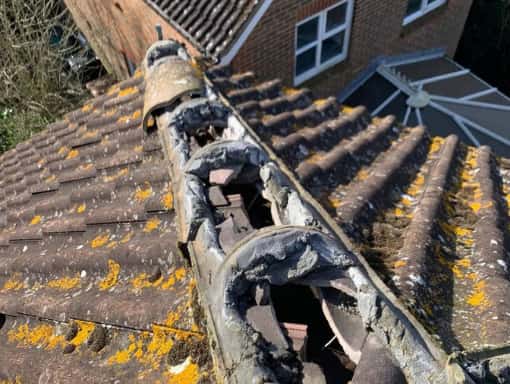
Knowing the approximate age of your roof can be extremely useful when planning maintenance and deciding how to respond to developing problems. However, many homeowners move into a property without knowing when the roof was last replaced. While determining an exact installation date may not always be possible from appearance alone, the condition of the materials, previous repairs and general construction can reveal a great deal about how far the roof may have progressed through its serviceable life.
At Gravesend Roofing Services, we provide professional roofing services throughout Gravesend, Kent. If the history of your roof is unclear, assessing its present condition is often more useful than relying on age alone. Here are some of the main clues that can help you understand what may be happening above your home.
Start by Looking at the Overall Condition
An older roof does not necessarily look obviously damaged. Many roofing systems deteriorate gradually, with individual components ageing at different rates.
From ground level, you may notice:
- Uneven or displaced tiles
- Differences in colour across sections
- Numerous previous repair areas
- Worn ridge details
- Damaged or missing roofing materials
- General irregularity across the roof covering
None of these features can provide an exact age, but together they can indicate that the roof has experienced considerable weathering or maintenance over time.
Numerous Previous Repairs Can Reveal Its History
One of the most informative clues is the number of repairs already present.
An older roof may contain replacement tiles, renewed flashing, patched sections or other evidence of work completed at different times. These repairs are not necessarily a problem; maintaining individual defects can help a roof remain serviceable for longer.
However, numerous repair areas can indicate that different components have been reaching the point where attention is required.
If new defects are also appearing regularly, it may be worth assessing the condition of the roofing system as a whole.
Look for Differences Between Roofing Materials
Replacement tiles and slates may differ slightly from older surrounding materials in colour, texture or weathering.
A roof containing noticeably newer sections can therefore provide clues about its maintenance history. It may have undergone local repairs, partial renewal or alterations at different stages.
A professional roofer can assess these differences and determine whether the various sections continue to work effectively together.
Tile and Slate Condition Can Be Revealing
Roof coverings experience continuous exposure to rain, wind and changing temperatures.
As they age, individual materials may begin showing signs such as:
- Cracking
- Surface deterioration
- Increased brittleness
- Movement
- Repeated breakages
An occasional broken tile does not establish that an entire roof is old or failing. When deterioration becomes widespread, however, it can indicate that the covering has undergone substantial long-term weathering.
Ridge and Hip Details Can Provide Useful Clues
The highest and most exposed parts of a roof can reveal valuable information about its condition.
Older ridge or hip details may begin showing signs of movement or deterioration. Depending on the roofing system, you may notice irregular alignment, ageing mortar or areas that have previously received repairs.
Because these locations are important to the roof’s overall weather resistance, deterioration should be assessed rather than regarded purely as evidence of age.
Flashing Often Tells Part of the Story
Flashing protects vulnerable areas where the roof meets chimneys, walls and other features.
Over the life of a property, flashing may be repaired or renewed independently of the main roof covering. Different sections can therefore be at very different stages of their serviceable lives.
Visible deterioration or numerous previous flashing repairs can provide useful information about how the roof has been maintained.
More importantly, defective flashing can become a source of water ingress and should be addressed according to its current condition.
What Does the Roof Space Tell You?
Some of the most useful clues may be found beneath the external roof covering.
From a safely accessible roof space, signs of previous or developing problems might include:
- Water staining on timbers
- Damp areas
- Daylight visible through unintended openings
- Older repair work
- Changes in roofing underlay
- Evidence of previous water ingress
These observations can help build a broader picture of the roof’s history.
However, staining does not necessarily indicate an active leak. Professional assessment can help distinguish between historic damage and a current problem.
Older Underlay Can Be an Important Indicator
Roofing underlay sits beneath tiles or slates and forms an important secondary layer of protection.
Different roofing periods and previous replacement work can sometimes be reflected in the type and condition of the material beneath the covering. If sections of underlay are deteriorating, torn or no longer performing effectively, this can become significant even where the visible tiles still appear reasonable.
This is one reason assessing a roof only from the outside can provide an incomplete picture.
Recurring Leaks Matter More Than Appearance Alone
A roof may look relatively tidy from ground level while developing repeated leaks in different areas.
If water ingress keeps returning despite previous repairs, it can indicate that several components are deteriorating rather than there being one isolated defect.
Recurring problems can involve:
- Ageing roof coverings
- Deteriorated underlay
- Vulnerable junctions
- Flashing defects
- Multiple previous repair areas
At this point, understanding the overall condition of the roof becomes more important than establishing its precise age.
The Roofline Should Look Consistent
Changes in the shape or alignment of a roof deserve professional attention regardless of age.
A roofline that appears uneven or noticeably different from surrounding sections may require closer investigation. Surface materials alone cannot explain every change, and determining what is happening underneath requires appropriate assessment.
This is particularly important because a roofing system depends on both its external covering and the supporting structure beneath it.
Why Age Alone Does Not Determine Whether a Roof Needs Replacing
There is no useful rule that says a roof must automatically be replaced simply because it has reached a particular age.
Two roofs installed at a similar time can be in very different condition depending on:
- Installation quality
- Materials
- Weather exposure
- Maintenance history
- Previous repairs
- Individual roof design
A well-maintained older roof may continue to perform reliably, while a younger roof with underlying defects may require significant attention.
Current condition should therefore be the deciding factor.
When Are Repairs Still Appropriate?
If an inspection finds that most of the roof remains sound, individual defects may still be suitable for targeted repair.
This might include addressing:
- Individual broken tiles
- Local flashing defects
- Limited ridge problems
- Isolated water ingress
- Small damaged sections
Professional repairs can preserve serviceable parts of the existing roof rather than disturbing areas that continue to perform correctly.
When Does the Wider Roof Need Attention?
A broader approach may become appropriate when deterioration is no longer confined to individual areas.
Warning signs can include:
- Frequent leaks in different locations
- Widespread deterioration of roofing materials
- Numerous previous repairs beginning to fail
- Problems affecting several roofing components
- Increasingly frequent maintenance requirements
In these circumstances, continually addressing one defect at a time may no longer provide dependable long-term performance.
A Professional Roof Inspection Can Fill in the Gaps
If you have no documentation showing when the roof was installed, a professional inspection cannot necessarily provide an exact date. What it can provide is something more useful: a clear understanding of the roof’s present condition.
An experienced roofer can assess the covering, flashing, junctions, previous repairs and other accessible components to determine whether the roof is generally sound or showing signs of broader deterioration.
This allows maintenance decisions to be based on evidence rather than guesswork.
Roofing Services in Gravesend, Kent
At Gravesend Roofing Services, we provide professional roof inspections, repairs and roofing solutions throughout Gravesend, Kent.
When assessing an older roof, our focus is not simply on estimating its age. We look at how the roofing system is currently performing, where weaknesses are developing and whether individual repairs or more extensive work would provide the most appropriate solution.
This approach helps homeowners understand what their roof actually needs rather than making decisions based solely on how old it appears.
Conclusion
If you do not know the age of your roof, its condition can still reveal a great deal. Widespread weathering, numerous previous repairs, deteriorating tiles, ageing flashing, recurring leaks and changes beneath the roof covering can all provide clues about its history and current performance.
More importantly, the precise age of a roof is rarely the only factor that matters. A professional assessment can establish whether the roofing system remains serviceable, whether specific defects can be repaired or whether deterioration has become more widespread.
If you are unsure about the condition or history of your roof in Gravesend, Kent, contact Gravesend Roofing Services. Our experienced team can assess the roofing system and provide clear guidance on the work required to keep your property reliably protected.
Call us on: 01474 554 897
Click here to find out more about Gravesend Roofing Services
Click here to complete our contact form and see how we can help with your roofing needs.